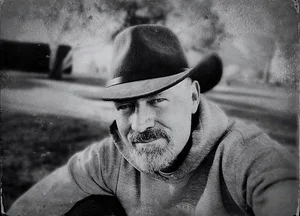
It Was Not An Unrecognizable World You Left
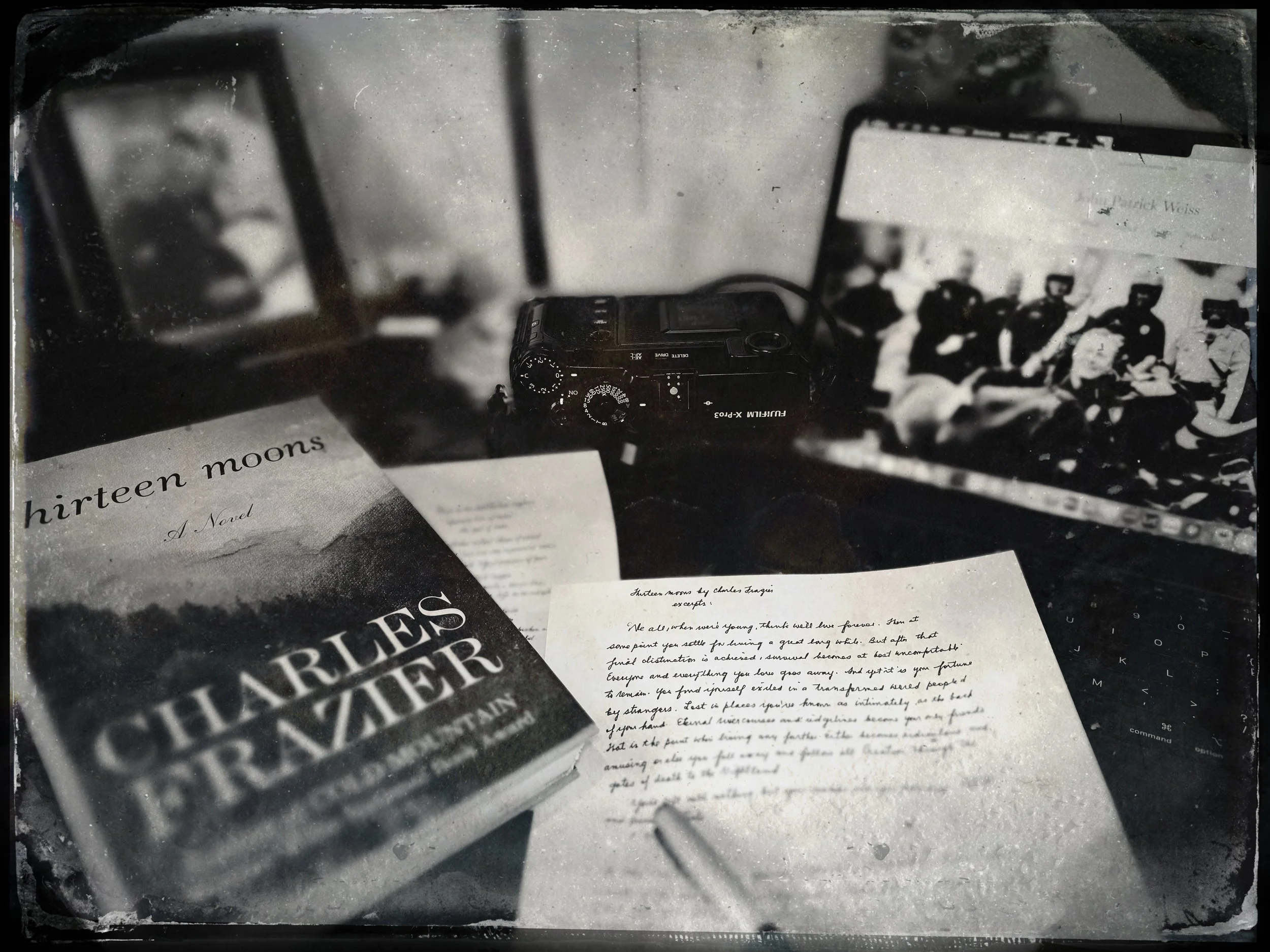
“Does overwhelming change, the annihilation of all you know, create an intensity of memory that would not have existed otherwise? When all you know is lost and gone forever, does it become sweeter in the mind? Does it make you want to let go or hold on even tighter?”
Charles Frazier wrote those lines in the last chapter of his moving novel Thirteen Moons. In the final chapter, an old Cherokee medicine woman, Granny Squirrel, shares a reflection on the nature of life. Back when “living long” was different, “before the arrival of the Spaniards and their metal hats.”
Granny Squirrel recollected that in those times little changed during your lifespan. People came and went, but the physical world around you “remained about the same from start to finish.” All that you learned as a child remained more or less the same throughout your life.
The protagonist in the novel, Will Cooper, is thinking about all this near the end of his life. He remembers Granny Squirrel, her view of the old life, and he ponders the following:
“When you got old and approached death, it was not an unrecognizable world you left, for we had not yet learned how to break it apart.”
Part of me envies the simpler world that Granny Squirrel and Will Cooper gaze back upon.
Sometimes it feels like we have indeed broken apart the world, or at the very least transformed a once familiar landscape into something increasingly unrecognizable.
Entire shopping malls and other landmarks where I grew up have been razed and rebuilt, and I can at least comprehend the relentless march of change and modernity. But there’s something beyond that, something about the way technology today insinuates itself into everything and everywhere. And while digital advancements and technological breakthroughs will likely bring better health and a higher quality of life, I wonder about the intangible costs.
Like no longer being able to recognize the world you once lived in.
At the risk of being a little sentimental and romantic, I miss the slower rhythms of life when conversations held more weight and we didn’t rush past each other to bathe our brains in endless hours of online distractions.
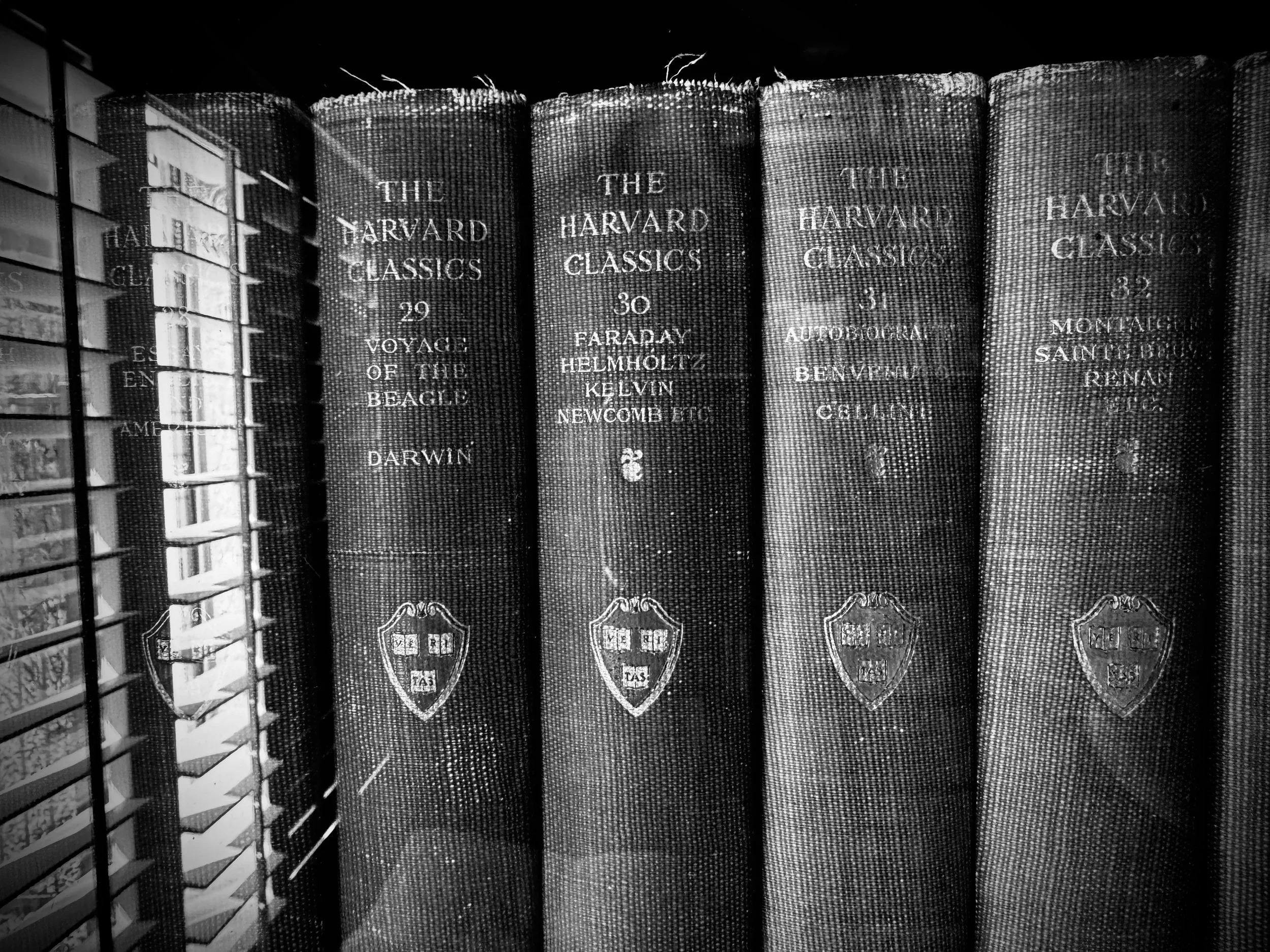
I remember my father sitting in his high-backed green leather chair in our home library, paging through a volume from his Harvard Classics collection. He might have been reading Virgil, Cervantes, Homer, or Dante. I was young and not well read, so I don’t remember. But I do remember how he’d look up, gently shut the book and say, “Johnny, to what do I owe the pleasure?”
And I’d prattle on about school or the treehouse my buddy Steven and I were building in the woods, or maybe show him my latest sketchbook drawings.
He’d politely listen, ask a few questions, and sometimes share a bit of what he was reading or thinking about. Had I been more intellectually curious back then, he’d likely have opened up even more about the wisdom and riches found in the endless rows of books that held quiet company on the shelves beside him every night.
But most of all, what mattered was the simple joy of a father and son spending time together. Being present, engaged, and full of attention and unspoken affection.
I hope those things still happen in the sanctity of people’s homes today. I hope the domestic landscape of our lives hasn’t shifted so severely that we’ve lost those kinds of enriching and sweet interactions.
I hope the world is still recognizable.
An old law enforcement colleague reached out to me recently asking for a letter of recommendation. She’d been away from the policing field for many years, but found a new position and was excited to jump back in.
I like to think that I’m adequately familiar with the basics of my laptop and printer/copier, but maybe I’m not. Simple tasks often turn into Kafkaesque trials, which was the case with my letter of recommendation.
I completed the letter the same day it was requested, and I emailed it to her the following morning. The day passed and I didn’t see an acknowledgment.
The next morning she emailed to politely check on the status of the letter. I replied that I sent it the previous morning, and I found the sent copy in my laptop and resent it.
Then I noticed that the attached pdf had vanished.
This sent me on a long journey through iCloud, Pages, and various computer files and folders. The letter simply disappeared. Eventually, I found it in my trash file. I have no idea what happened or how it got there.
I thought of the early days in my police career.
I used to handwrite or type my letters. Before mailing them, I’d make a Xerox copy which I placed in a “Correspondence” file in my desk drawer. It all sounds archaic and slow, but it was simple and worked. No mysterious iCloud disappearance acts or wifi disruptions. The only slowdown was when Carl the mailman ran late picking up the mail.
In those early days of blessed simplicity, phone calls and messages into the police department were written down on little notes and placed in our respective mail slots. Time off was truly time off. We went home and enjoyed our families and weekends unmolested by relentless messages and other people’s urgencies. They simply had to wait until we came back to work and returned their phone calls and messages.
Yes, it was inefficient compared to today’s blazing fast digital communication. And maybe that was the point. Our lives were afforded more space. More connection.
More distance between the demands of work life and the pleasures of home life.
Today I live in the quiet beauty of the desert.
I love my home and life here, but part of me misses the simpler rhythms of my youth in the hills of Los Gatos, California. I miss the beautiful old oak trees, whose burly arms I’d climb high into their leafy canopy to watch wildlife by the creek below.
I miss the simplicity of those days.
Sitting with my father in the library talking about books, or watching my mother bake holiday cookies in the kitchen as our little poodle wagged his tail and begged for treats. I miss yelling across the canyon in my best Tarzan call to my buddy, who’d holler back. And soon we’d be trudging through the woods together, pretending to be characters in an episode of Star Trek. Often a pack of friendly neighborhood dogs would tag along, bounding through the deer trails in a frenzy of barking and joyful revelry.
I know those days weren’t perfect.
I’m surely romanticizing the best and overlooking the worst. But that world made sense to me. It was peaceful and wide open and hopeful.
Today’s world of self-driving cars, artificial intelligence, and relentless information dumps from endless digital devices all feel oppressive and foreign. The world used to be less intrusive. Quieter.
But I soldier on.
I suppose everyone, sooner or later, reaches a time in their life when the unfamiliarity of the present has us pining for the past. I know this is true for my father-in-law.
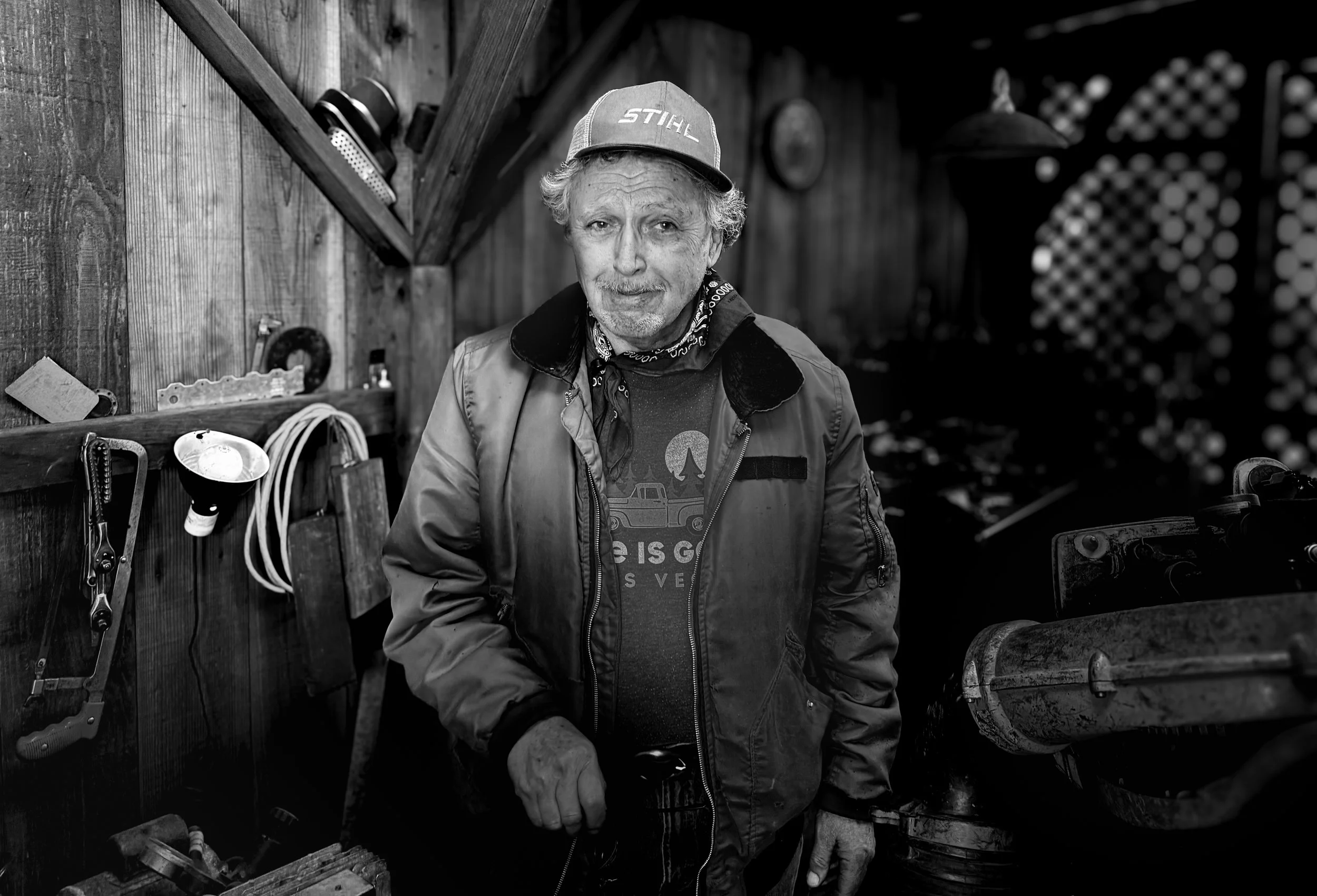
He likes to watch old cowboy movies, because they make sense to him. He likes to work in his shop, fixing small engines. But more and more equipment is going electric and digital and the things he knows how to fix are becoming fewer and antiquated.
The world has become unrecognizable to him.
He once told me that he’d like to find a trail somewhere and disappear into the woods. Part of me thought I might like to follow him.
There’s a line in Thirteen Moons that stayed with me:
“We all, when we're young, think we'll live forever. Then at some point you settle for living a great long while. But after that final distinction is achieved, survival becomes at best uncomfortable. Everyone and everything you love goes away. And yet it is your fortune to remain.”
I suppose if our fortune is to remain, then it means coming to terms with the changing landscape of our lives. The young cannot yet fathom the source of our wistfulness. They cannot yet understand what it’s like to lose so much of what you had, and to awake each day to something you know less and less.
But all is not lost.
A long life is mostly a gift, not to be squandered despite the vertiginous pace of technological and societal change. My thought is to never let go of our passions, despite the changing landscape of our lives. This is why my father kept a home library. Because books kept his soul moored even when the world around him became less familiar.
Like Teddy Roosevelt’s man in the arena, I want to hold onto my great enthusiasms, my great devotions. Which of course involve my loved ones and creative passions. My ongoing desires, even when the world is unfamiliar and distant.
In Thirteen Moons, Charles Frazier wrote: “When all else is lost and gone forever, there is yearning. Only desire trumps time.”
And so, as the sun dips low and the shadows overtake my desk, I will close this meditation on aging, change, and yearning. I may not like all the ways the world is changing, but there is still desire in my heart.
Only desire trumps time.
And if that’s true, then despite the changing world around me, there’s still some runway left to write my stories, take my pictures, and share a bit of this old voice.
(Photographs by John Patrick Weiss)
My work here is free. No paywalls or subscriptions. If you would like to support my efforts, coffee is always nice.