The Quiet Choreography of Us
Fragments of humanity hidden in plain sight
Photographs by John Patrick Weiss
Sometimes the most beautiful things in life are unseen.
They are often right in front of us, unfolding so quietly we barely notice them. Devoid of pretense, artifice, and opportunism, they leave behind an afterglow in their benevolent wake. A radiant grace that illuminates against the world’s encroaching darkness.
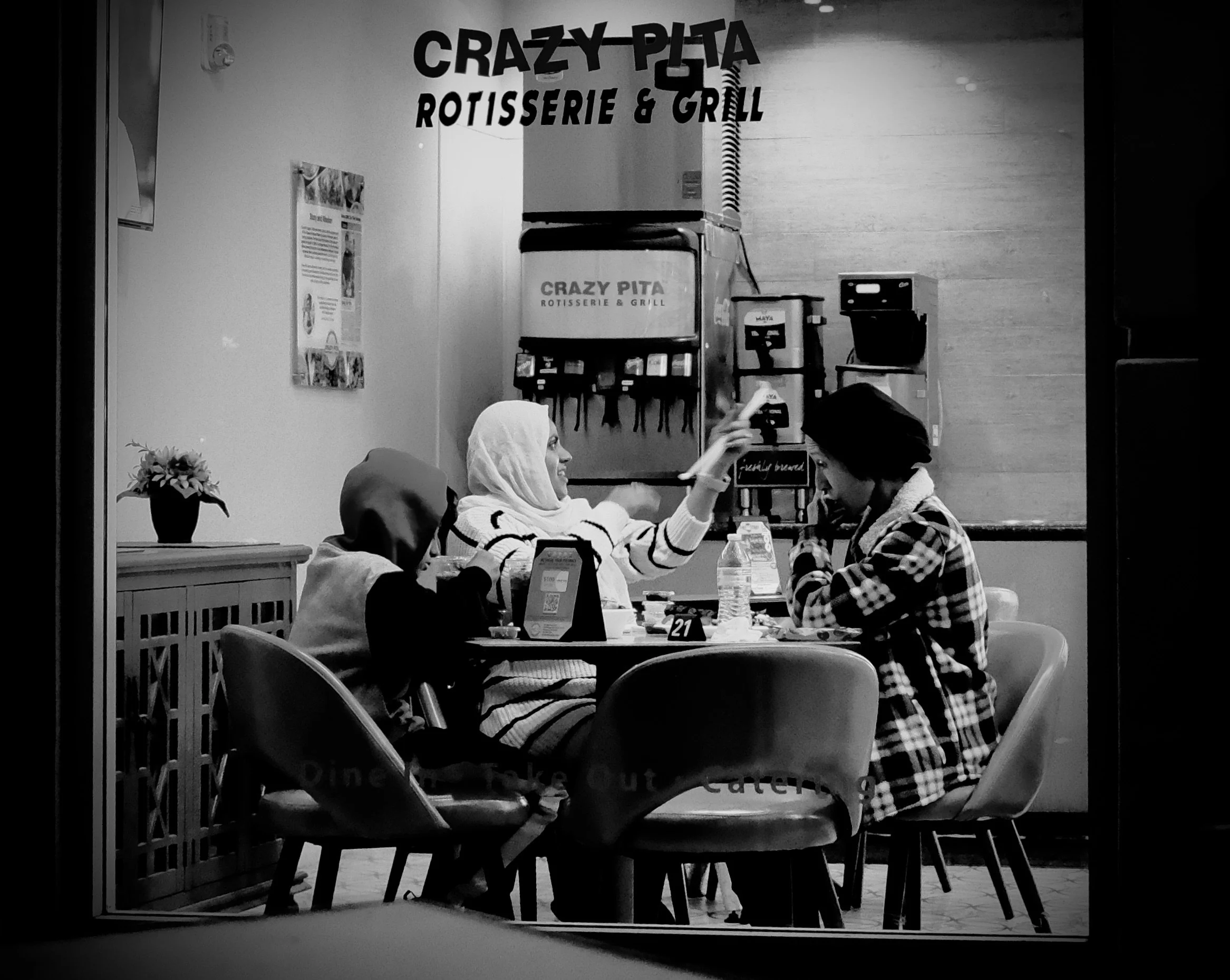
It was nighttime at the District at Green Valley Ranch where I enjoy strolling and snapping candid photographs with my rangefinder camera, meandering among shoppers and restaurant goers in search of ordinary moments that reveal our shared humanity.
What caught my attention was the flourish of a woman’s arm.
She motioned toward an unseen proprietor inside Crazy Pita Rotisserie & Grill. The proprietor must have said something funny or kind because the woman’s face lit up in a brilliant smile just as I clicked the shutter.
Afterward, she and her two companions laughed together. The unseen proprietor remained hidden from view, but his kindness was unmistakable. We overlook scenes like this every day, little exchanges in unremarkable places that quietly make the world more livable.
I think of the servers at my neighborhood sushi restaurant who always remember my name and favorite rolls. Or the young barber who reassures me that my balding crown still has a few determined follicles left to work with.
Such small acts of grace resuscitate a fragile hope against division, dogma, and hate.
Had the proprietor greeted the woman with indifference instead, the moment would have vanished before it began. It doesn’t take much to brighten another person’s day.
But it takes even less to darken it.
Wim Wenders’ 2023 film Perfect Days comes to mind.
The film follows Hirayama, a solitary man who cleans public toilets in Tokyo with quiet dignity. Sometimes he eats at a small yakisoba stand in an underground shopping arcade. The elderly proprietor greets him with enthusiastic smiles, animated gestures, and immediate hospitality. It feels less like customer service than an unspoken okaeri, which means welcome back.
The proprietor doesn't see Hirayama as a transaction, but as someone who belongs. Part of his yakisoba stand’s family.
These are the fragments of humanity hidden in plain sight.
They don’t make the news, but such welcoming and warm interactions mean a great deal to people. Especially the elderly, forgotten, and lonely who sometimes move through life like unseen ghosts.
To feel that one belongs is a powerful thing.
In William Shakespeare's play As You Like It (Act 2, Scene 7), the somber character Jaques delivers the famous line, "All the world's a stage, and all the men and women merely players.”
It’s a bleak statement about the artificiality, predictability, and fleeting nature of existence. About how we wear masks and change our behavior to fit different roles and settings.
I prefer a different image.
Life is a grand ballroom, and we are the dancers. We invite others to dance, and sometimes we are the ones being asked. Some are blessed with youth, beauty, or wealth and attract many partners. Others spend seasons sitting quietly along the wall, overlooked or forgotten.
Sometimes we celebrate with wild dancing. Other times we move slowly, pressing close to another heartbeat.
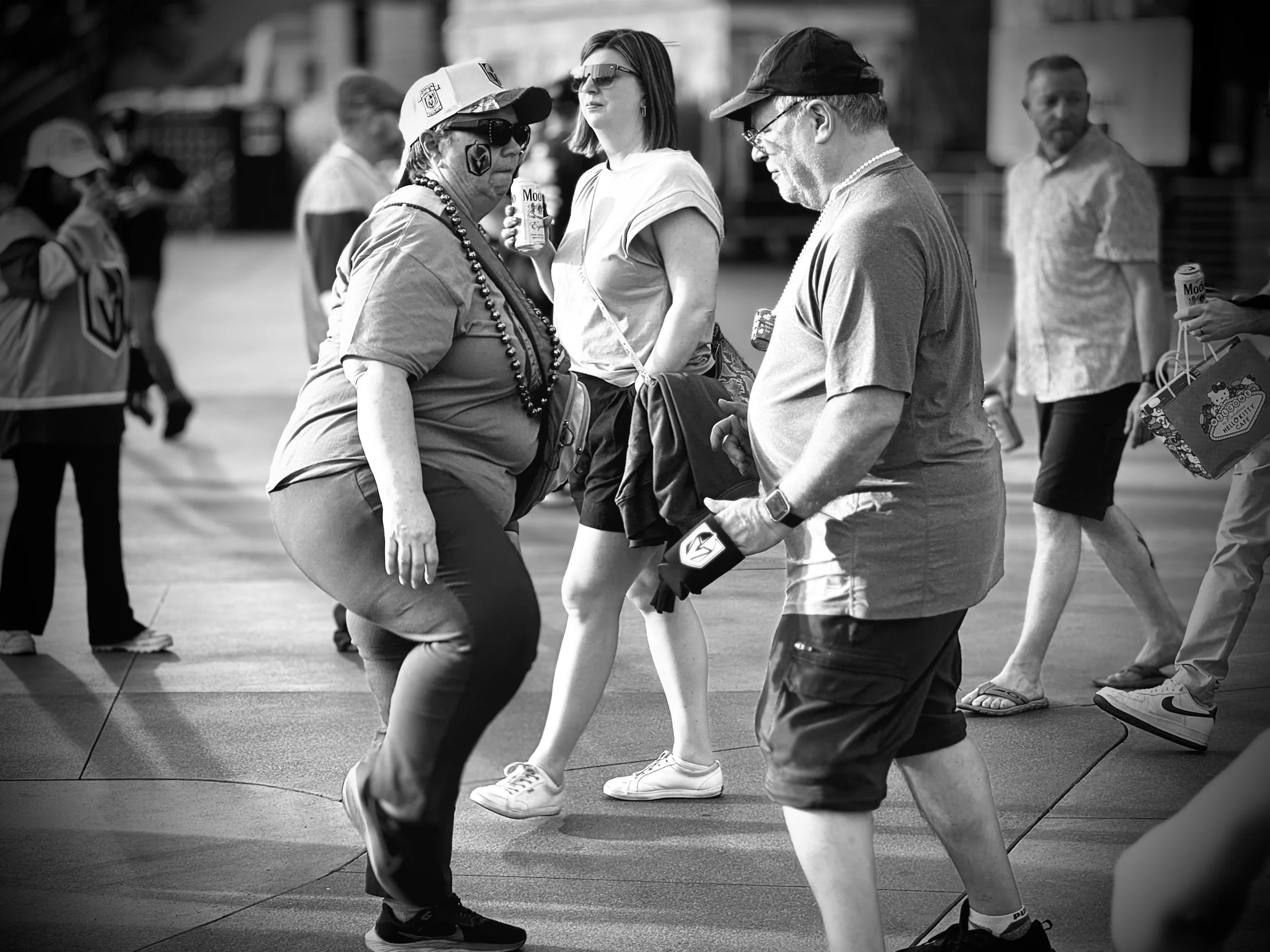
Life is a grand ballroom, and we are the dancers
The wise understand that the ballroom offers the pleasure of music and dance. But it also asks something of us.
That we notice those sitting alone in the shadows at the edge of the room. That we invite them onto the floor. To swirl and talk and laugh. To feel the emotional resonance and atmospheric warmth of the music and movement.
To remind them that they matter.
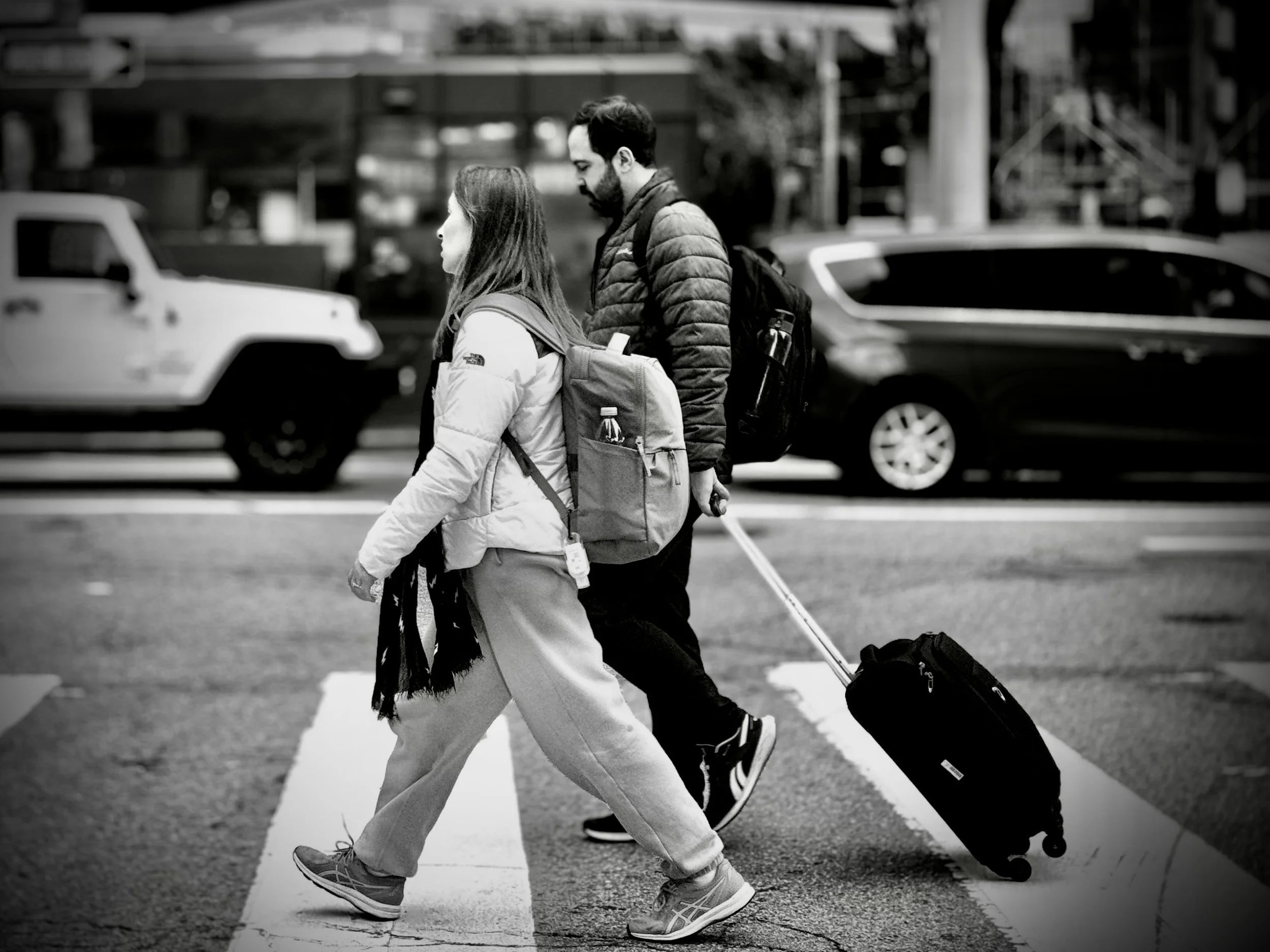
Everyone carries a burden
We will all age.
Looks fade. Wealth comes and goes. Sooner or later, everyone carries a burden that slows them down. Abandonment. Loss. Infirmity. Grief. Life grows heavier, and what once seemed effortless now requires a kind of stoic fortitude.
If our lives are to be meaningful and if we are to face the long night with peace in our hearts, then we’d do well to tap the shoulder of the child and the grandfather, the young woman and the middle-aged man, the beautiful and the forgotten, the old and the young, everyone in between.
And ask them to dance.
When I see a young woman helping an elderly gentleman load his groceries, what I really see is the two of them gliding across the ballroom floor. When an older volunteer patiently helps a child learn to read, I see them twirling together to music only they can hear.
All around us, people are dancing. Or waiting for someone to ask.
This is why the unseen proprietor matters.
The ones who take the time to be kind. Like the owner of the Pita shop and the enthusiastic chef at the subway yakisoba stand. If we strive to be like the unseen proprietor, if we tap the shoulder of those waiting their turn in the shadows of life’s ballroom, we become more of a family.
The ballroom becomes a little fuller.
Fewer people waiting in the shadows. More people crossing the floor together. The music and dance restoring our fragile hearts.
The quiet choreography of us.